Persian Kitten Growth & Development
The First Twelve Weeks:
Where a Lifetime of Love Begins
A truly extraordinary kitten begins long before their very first breath. It starts with the health, care, and genetics of their mother. Thoughtful breeding, attentive nurturing, and exceptional maternal care help lay the foundation for every beautiful, healthy, and well-socialized Persian kitten we welcome into the world.
Your kitten’s first twelve weeks are an extraordinary journey—one filled with tiny milestones, remarkable changes, and experiences that help shape their health, temperament, confidence, and future.
Days 1–3: Nature’s Liquid Gold
During the first 24–48 hours of life, kittens receive colostrum, often referred to as nature’s “liquid gold.” This first milk provides important maternal antibodies and nutrients that help support newborn kittens during their most vulnerable stage.
Born with their eyes closed and ear canals not yet open, newborn kittens rely heavily on touch, scent, and their mother’s warmth. Because they cannot regulate their body temperature effectively, staying close to Mama is essential.
During the first week, the umbilical cord naturally detaches, and healthy kittens typically gain weight steadily. Many will approximately double their birth weight within the first week or two.
Week 2: First Glimpses of the World
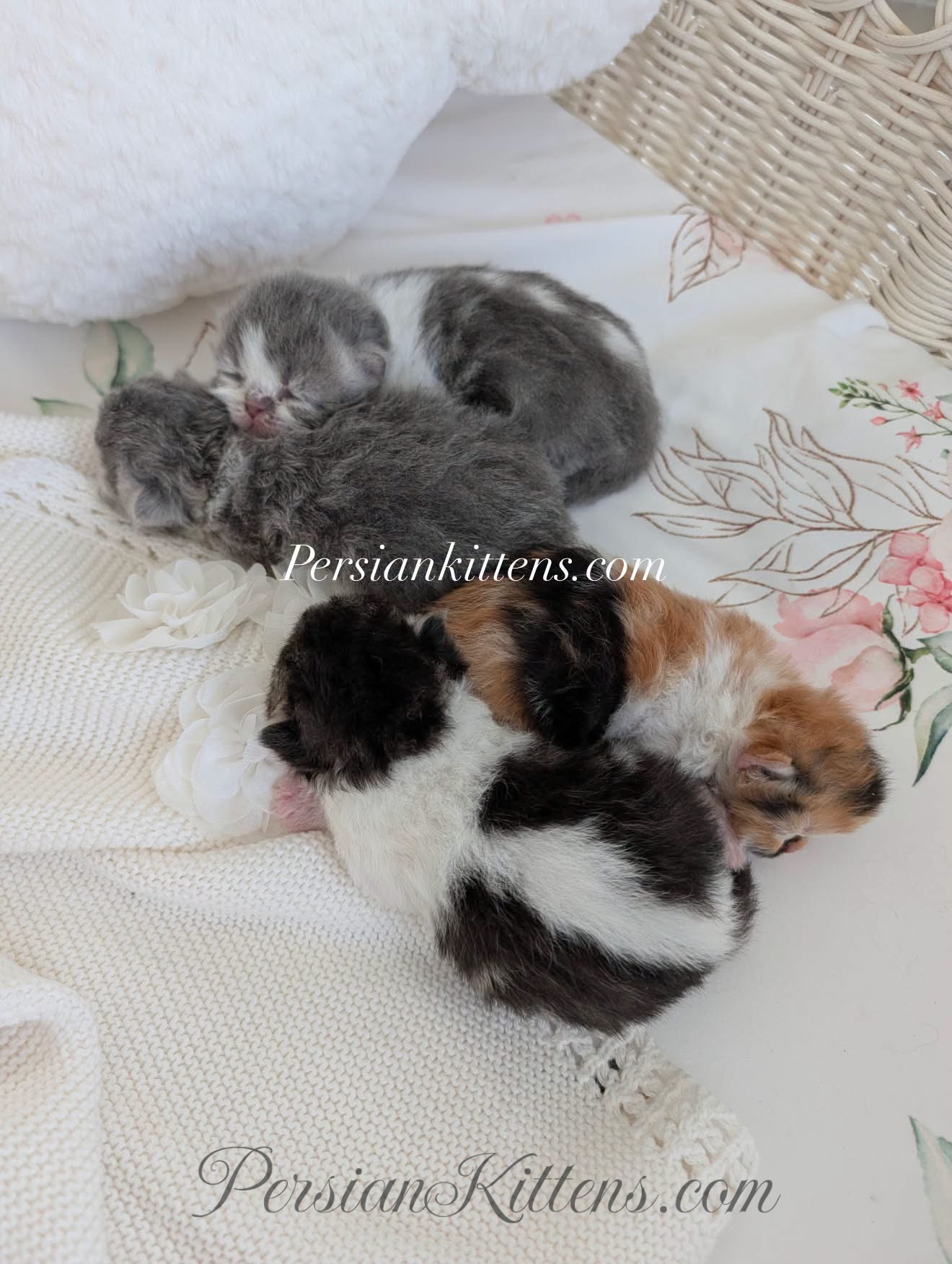
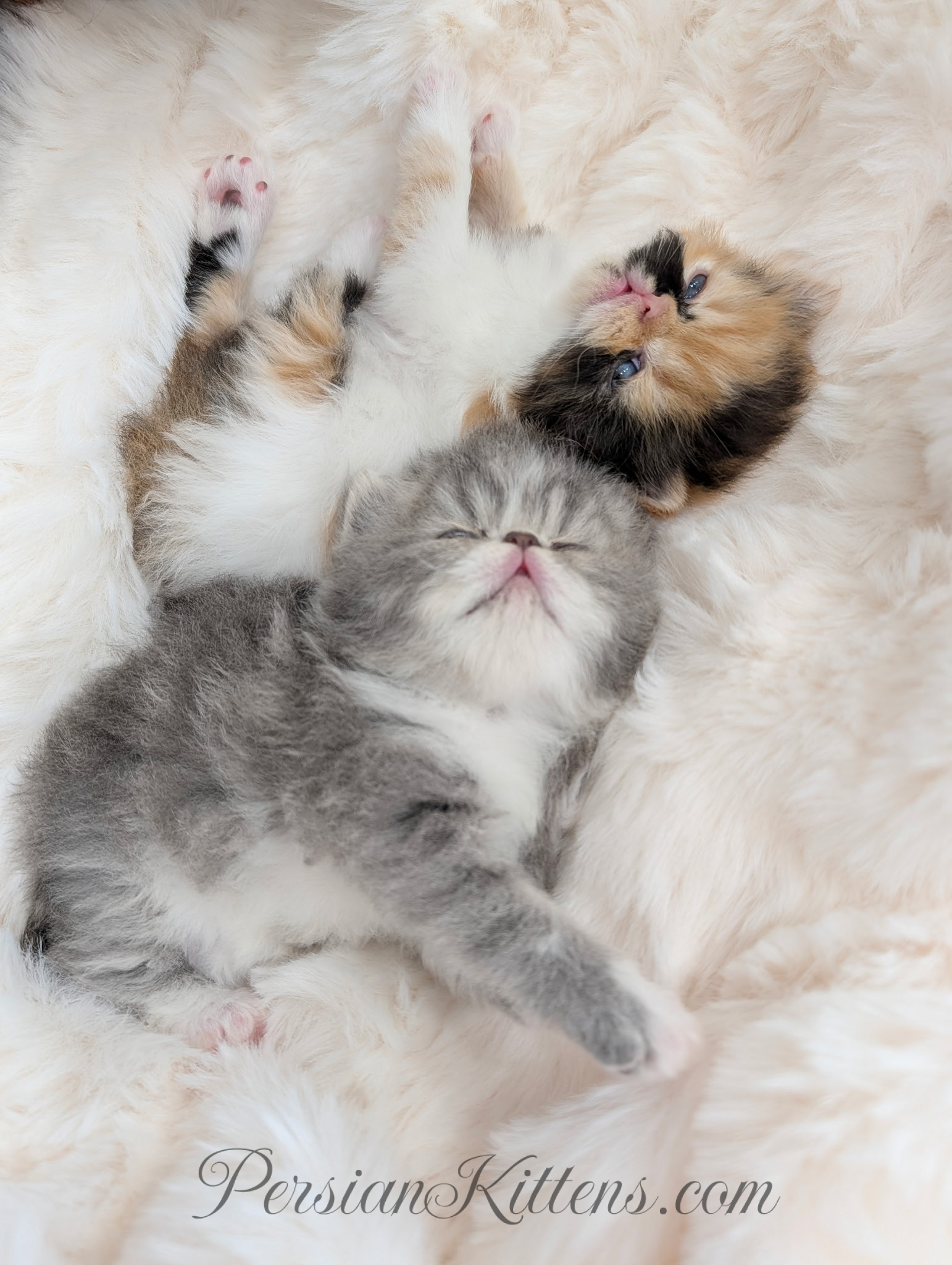
Around the second week, those tiny eyes begin to open—always a magical moment in our nursery.
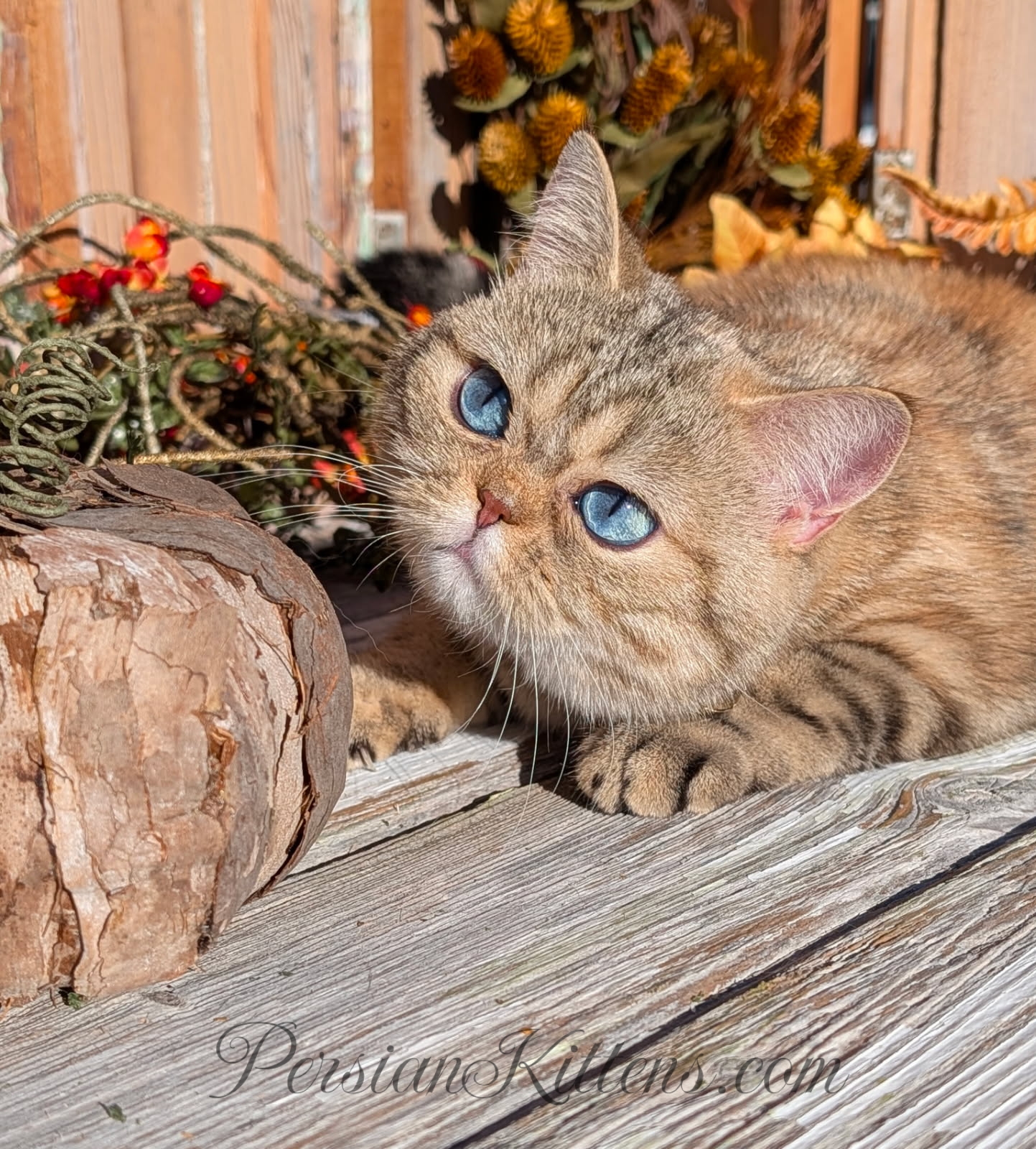
Kittens are generally born with blue-gray eyes, and their permanent eye color develops gradually over the weeks and months ahead. Some of our special lines, including our Forever Blue-Eyed Persians, retain their beautiful blue eyes into adulthood.
Their senses continue awakening as their ears open and they begin responding more noticeably to the world around them.
Week 3: Curiosity Awakens
Vision and hearing continue to develop, and kittens begin becoming more aware of their surroundings. Their first wobbly movements grow stronger, and they start interacting more with Mama, their siblings, and the familiar people caring for them.
This is also when baby teeth begin emerging, early social behaviors become more noticeable, and their tiny personalities start giving us little glimpses of who they may become.
Week 4: Wobbly Little Explorers
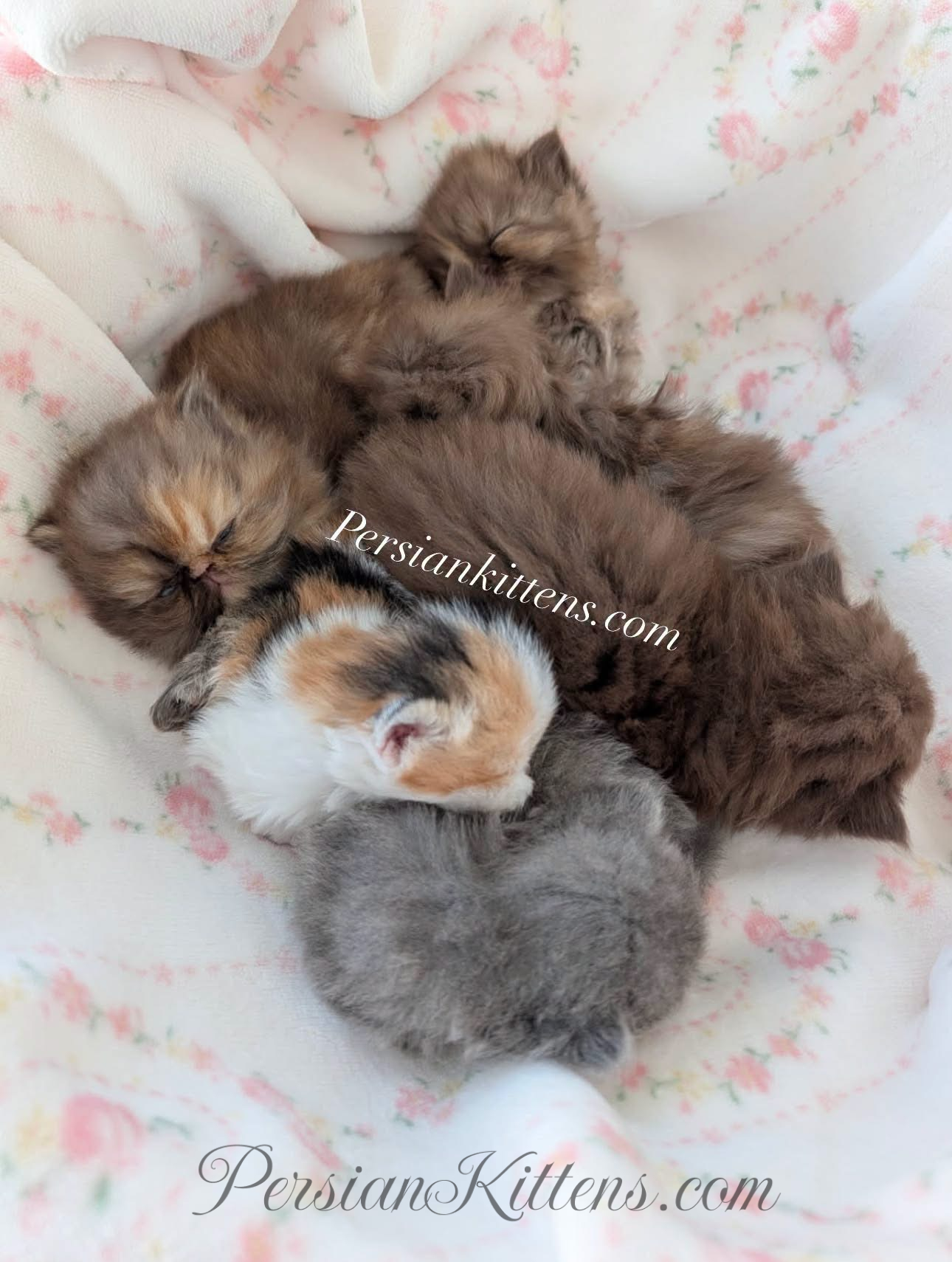
At four weeks old, kittens are still a bit unsteady—but wonderfully determined. Balance and coordination improve, and curiosity encourages them to venture beyond Mama’s warm belly.
They begin exploring their environment, interacting more with siblings, and learning early social cues through play. These little adventures are an important part of their physical and social development.
Week 5: Personality Begins to Shine
This stage is pure joy.
Kittens become increasingly playful, inquisitive, and interested in the world around them. While they continue nursing, they also begin exploring age-appropriate kitten food as the gradual weaning process gets underway.
Around this stage, we introduce the litter pan, encourage gentle interaction, and continue helping each kitten become comfortable with everyday handling and care.
Their individual personalities begin to peek through—some are bold little explorers, some are gentle cuddle bugs, and others are already showing us their playful, mischievous side.
Week 6: Tiny Teeth & Growing Independence
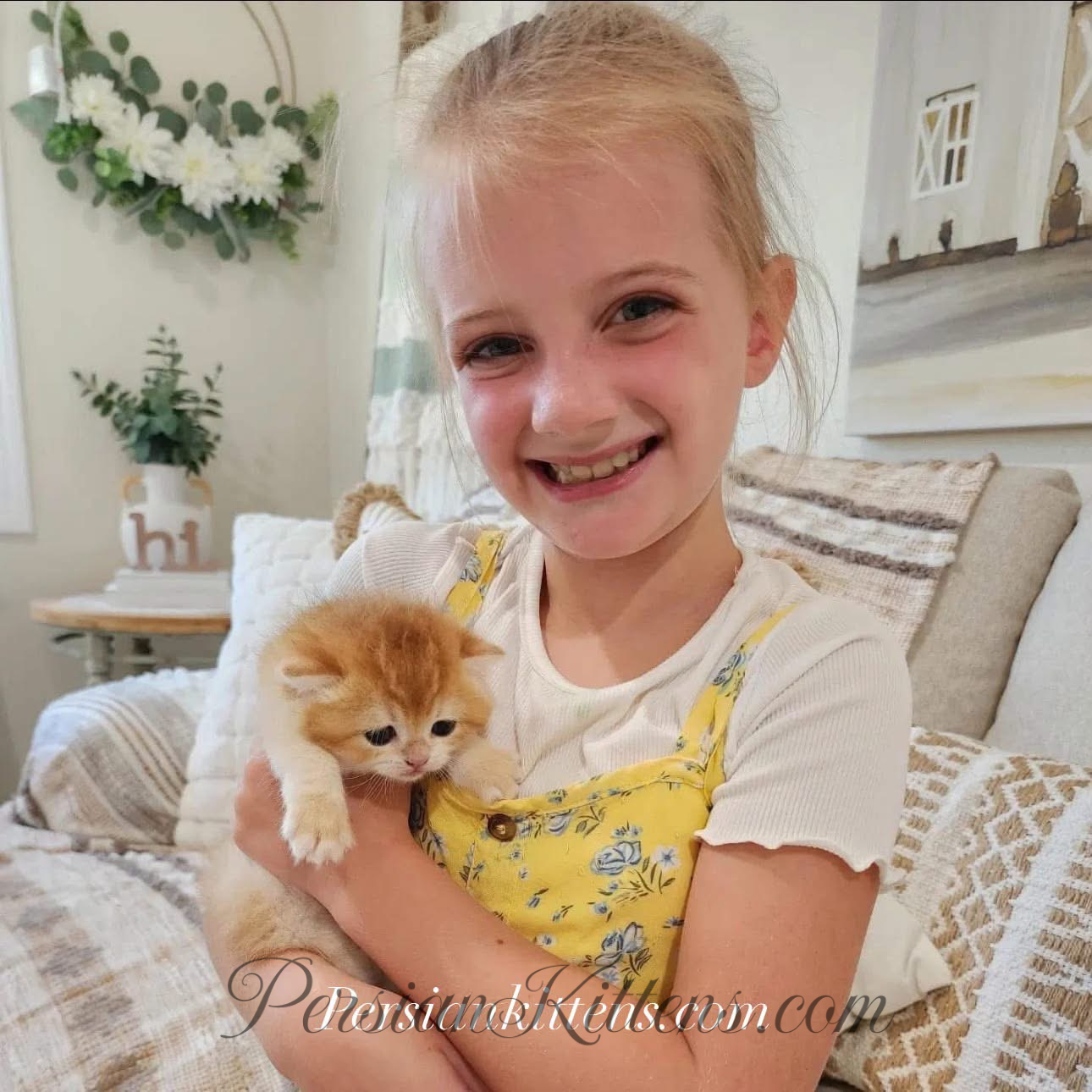
By six weeks, more baby teeth are emerging, and kittens are becoming increasingly confident on their feet. They begin eating more independently while still benefiting from Mama’s care and the companionship of their littermates.
This is also when those irresistible “cuddle puddles” become a regular sight in our nursery. Watching a group of fluffy babies pile together for a nap is one of the sweetest parts of raising kittens.
Week 7: The Magic of Eye Color
Around this stage, changes in eye color may become more noticeable. Those early baby blues can begin developing into their eventual adult shade, although the timing varies considerably between kittens and some eye colors continue changing for months.
For our Forever Blue-Eyed Persians, watching their beautiful blue eyes develop is especially exciting.
Playtime also becomes more energetic, coordination improves, and their personalities continue to blossom. This is often when our kittens begin making their first website or social media appearances.
Week 8: Learning Greater Independence
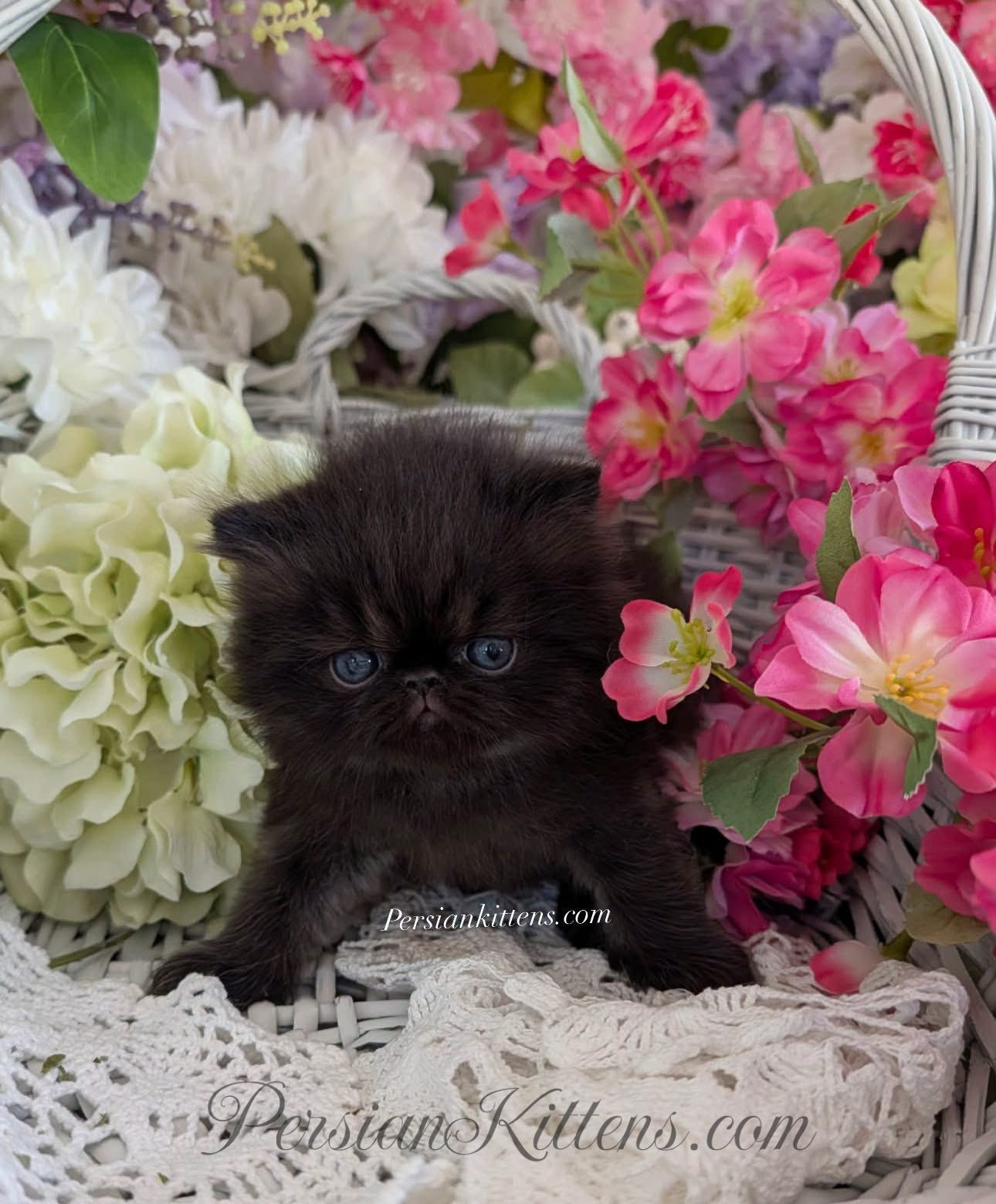
By eight weeks, many kittens are eating independently and using the litter pan consistently, although weaning and development happen at each kitten’s individual pace.
Mama may continue nursing or offering comfort, and her presence remains valuable even as the kittens become more independent.
Through play and interaction with their siblings, kittens continue learning important lessons about communication, boundaries, and appropriate play behavior.
Weeks 9–10: Confidence & Connection
During these weeks, kittens continue maturing physically, socially, and emotionally. Their coordination improves, routines become more familiar, and their bonds with people grow stronger through daily interaction.
They are learning how to navigate their environment, respond to new experiences, and communicate with both humans and other cats.
We continue providing age-appropriate veterinary care, grooming, socialization, and plenty of opportunities for safe exploration.
Weeks 11–12 & Beyond
The Heart of a Confident, Well-Adjusted Kitten
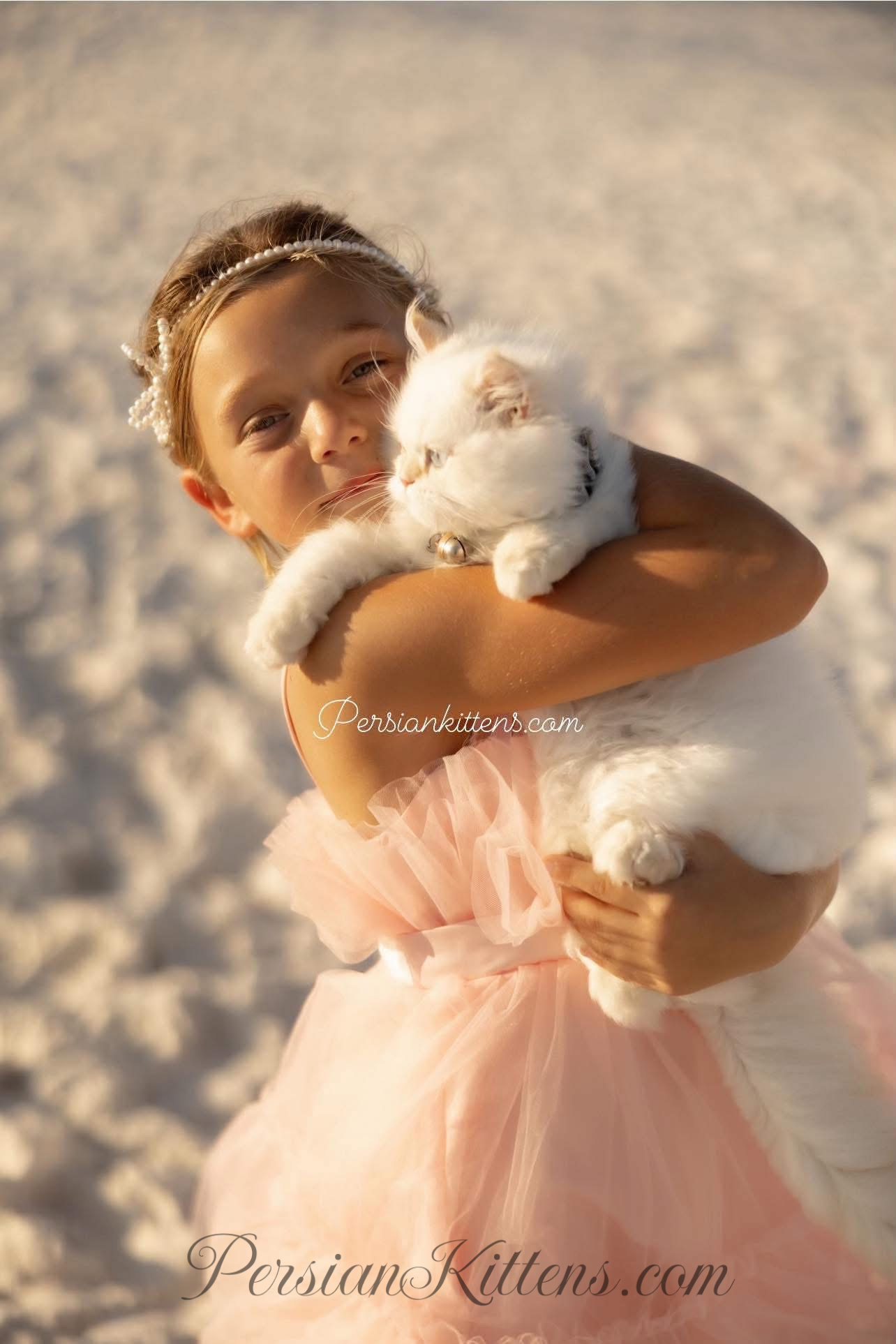
As our kittens approach twelve weeks, they continue refining the skills that will serve them throughout their lives.
They practice running, climbing, pouncing, and stalking. They learn cat-to-cat communication, appropriate play boundaries, and how to navigate everyday routines. Their litter habits become more established, and their confidence continues to grow through positive experiences.
These weeks are an important part of their development, which is why our kittens remain in our nursery for a minimum of twelve weeks. We believe this time with Mama, their littermates, and our family provides a valuable foundation before they begin the next chapter of their lives.
Once they reach the twelve-week milestone and are developmentally ready, our kittens begin enjoying their “big kid” privileges. They are gradually introduced to more of our home, additional family interaction, and new sights, sounds, and routines.
This next stage allows us to continue getting to know their individual personalities while helping prepare them for life with their forever families.
The Result: A Kitten Raised With Love
Our goal is to raise kittens who are confident, affectionate, well-socialized, and prepared for the transition into their new homes.
Every kitten is an individual, and no two develop in exactly the same way. But through thoughtful breeding, attentive maternal care, daily socialization, and the time they need to grow, we strive to give each baby the very best beginning possible.
Because a lifelong companion isn’t made in a single moment. They are nurtured, loved, and carefully guided—one tiny milestone at a time.
Doll Face Persian Kittens — where extraordinary beauty meets a lifetime of love.

Age Release Message – Kitten Foundation
Building a Strong, Healthy Kitten Foundation We believe one of the most important gifts we can give every kitten is a good, strong, solid foundation before they ever leave our nursery. Every kitten develops at a different pace, which is why we do not determine when a kitten is ready to leave based on age alone.
Instead, we look at the individual kitten—its size, development, weaning progress, confidence, and overall readiness. As a general rule, no kitten leaves our nursery until they have reached approximately 2–2.5 pounds and we feel they have developed the strong foundation needed for a successful transition into their new home.
Many things influence how quickly a kitten develops. The size of the parents, the number of kittens in the litter, the kitten’s individual growth rate, and especially their weaning progress can all play a role. Some kittens simply need a little more time than others—and we are perfectly happy to give them that time.
We also believe kittens need their mother for much more than milk. A mother cat has incredibly valuable lessons to teach her babies well beyond eight weeks of age. She helps teach them appropriate feline behavior, confidence, independence, boundaries, grooming habits, proper litter pan skills, and many of the little social lessons and good habits that help shape a well-adjusted adult cat. Those extra weeks with Mom and their littermates are an important part of their education.
They are learning how to be cats—lessons that simply cannot be rushed or replaced. After nearly four decades of raising Persian kittens, one thing we know for certain is that the best things in life are worth waiting for. We aren’t raising kittens simply to send them home as quickly as possible. We are raising little lives that will someday be someone’s best friend, someone’s constant companion, someone’s warm spot on the pillow—and, for many families, a tiny piece of their heart.
That’s why we never rush them. Every kitten is given the time they personally need to grow, learn, gain confidence, and become strong enough for the wonderful life waiting beyond our nursery doors. The calendar doesn’t decide when they’re ready. The kitten does.
Since 1989, generations of tiny pawprints have passed through our nursery and into the hearts and homes of families across the country. Through all those years, our promise has remained the same: Build a strong foundation. Give them all the time they need. Love them like they’re ours until the day they become yours.
A Special Note About Eyes
Kittens are born with their eyes gently sealed shut, and those tiny eyes usually begin opening during the first couple of weeks of life. As their vision develops, they are still learning to focus and coordinate their eye movements—so those first little glimpses of the world can look a bit amusing!
You may occasionally notice a very young kitten appearing slightly cross-eyed or as though their eyes are focusing in different directions. Mild, temporary changes in eye alignment can occur during early development as their visual system matures.
As kittens grow and begin exploring their surroundings, their vision and eye coordination continue to develop. Many of these early quirks improve naturally over the following weeks, although every kitten develops on their own timeline.
If you happen to notice a baby with slightly quirky eye placement in an early photograph, it may simply reflect this stage of development. However, persistent or pronounced eye crossing, unusual eye movements, or any concerns about vision should always be evaluated by a veterinarian.
We carefully observe our kittens as they grow and believe in being transparent about any eye-related concerns we identify. Our goal is always to provide families with accurate information and the peace of mind that comes from thoughtful, attentive care.
And yes—those first wide-eyed, slightly bewildered expressions are still some of the most adorable moments of kittenhood!